
Serial Number Tracking: Benefits, Implementation, and Inventory Control
Serial number tracking is essential for businesses aiming to optimise inventory management. From purchasing, storage, production, sales and distribution as well as after-sales services, the ability to know exactly where a specific inventory item is within the supply chain affords any business a host of benefits.

What is a Serial Number and How Does It Differ from Batch/Lot Numbers?
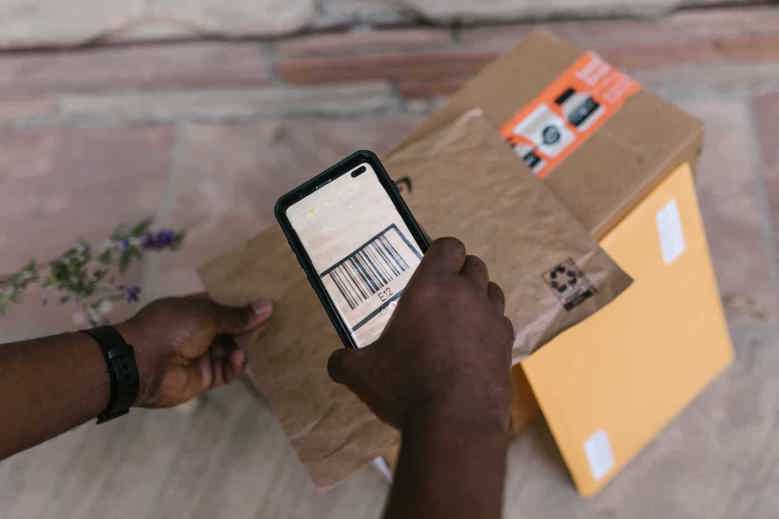
Serial numbers are exceedingly unique and provide exceptional stock control. Companies need to understand the nuances between a serial number and how it differentiates from other identifying codes or product numbers. Serial numbers can be represented as both numeric and alphanumeric and differ from product identifiers such as barcodes, lot or batch numbers.
A serial number is a unique sequence of numbers and letters assigned to a specific item for identification. Serial numbers can be easily recognised because the letters ‘S/N’ or ‘SN’ on an item typically precede them.
Product identifiers indicate a batch, a lot or the specific production run in which the goods were manufactured or processed. These product identifiers are applied to the entire quantity of items within each specific batch, whereas the serial number is a distinctive identifier assigned to individual products or components. Each item will therefore have a batch number the same as all components within the batch and a serial number that is unique to each item.
Other manufacturing numbers assigned to an item include Lot and Batch numbers. A Lot or Batch number is given to items that are manufactured in the same production period. For instance, a manufacturer producing smart watches would give each watch manufactured on a certain date the same batch number but a separate and unique serial number.
Why Use Serial Number Tracking? Key Benefits
Traceability Across the Supply Chain
The primary benefit of product identifiers and serial numbers is the ability they provide to track and trace each item back through its supply chain.
Once a product or component has been assigned a serial number, it can be traced from the point of origin, through distribution and wholesale channels and even to the customer or end user. Nearly all components in manufacturing and production will have an individual serial number, and the final finished good will also be assigned its own unique serial number.
This traceability assists with tracking goods between warehouses, pipeline inventory and post-sale guarantees. Serial number tracking helps with the servicing of consumer warranties, where a serial number is recorded against an exact sale and shown in a customer's purchase record.
If and when a product recall is required, the recall can be constrained by serial numbers. This is evidenced in a recent Samsung recall of a model of top-loader washing machine. Samsung could undertake the recall by allowing customers to register the serial number of their machine online. Utilising serial number traceability, customers could determine if the machine they had purchased contained the defective part that had initiated the recall.
Warranty and After-Sales Control
Serial numbers link directly to customer purchase records, streamlining warranty claims and repairs. When a customer queries a repair, staff can provide accurate timelines based on the item’s serial number, improving service quality and customer trust.
Improved Inventory Accuracy and Stock Control
Serial numbers improve tracking flexibility by recording the serial numbers as the product is received, but also when a product is shipped. The integrated nature of serial number tracking helps to improve the accuracy of your stock control by removing the need for multiple databases that cause confusion and increase error rates. Serial numbers also provide a record of expiration and best-by dates that let you manage what stock is picked and shipped, reducing the occurrence of waste through perishability or obsolescence by shipping older stock first.
When managing inventory, serial numbers are invaluable to aid in the tracing, tracking and accounting for inventory with accuracy. When combined with an integrated inventory software solution, process managers are able to locate a single inventory component anywhere in the supply chain at any time.
Enhanced Inventory Analysis and Forecasting
Serial number tracking is also well utilised in instances where a business needs to draw upon the data concerning inventory turnover. The ability to clearly track and identify which inventory has a high or a low rate of turnover has a big impact on how well the business is able to achieve and maintain accurate inventory levels. By incorporating serial number tracking into its inventory management system, a business will operate with greater efficiency and profitability.
Serial Tracking Systems and Integration

Serial number tracking systems vary in nature, based on the size, complexity and demands of the business. For small, easily managed businesses with minor inventory control requirements, a serial number tracking system could be nothing more than individual labels and stickers placed on items and recorded in a spreadsheet.
While this may appear to be the most cost-effective strategy, it is also the one most susceptible to errors, inaccuracies and inconsistencies – all of which result in losses to the business through inefficient management of its inventory. Serial number tracking systems – many of which are offered as an added feature of inventory management software solutions – are integrated with the various nodes in the supply chain and allow for real-time identification, tracking and tracing of inventory.
These systems are capable of generating sequential serial numbers for each new item of inventory produced or acquired by a business, and offer additional tagging or labelling options to enhance functionality.
The Serial Number Workflow Audit: Step-by-Step Implementation and Best Practices
A serial number workflow audit is a verification process that cross-references your physical stock with your records against unique identifiers, such as serial numbers, for end-to-end traceability.
The audit aims to track each item’s journey from manufacturing to after-sales and should be recorded in a secure system, such as inventory management software.
Here are the five steps to complete a serial number workflow audit:
- Define Your Serialisation Strategy: Identify which products require serialisation and decide on the format (numeric, alphanumeric, or sequential).
- Integrate Barcode Scanning: Install barcode scanners at receiving and shipping points to capture serial numbers automatically, reducing manual entry errors and speeding up processes.
- Link Serial Numbers to Sales and Warranty Records: Ensure each serial number is tied to the customer’s purchase record for efficient warranty claims and post-sale service.
- Use Inventory Management Software: Adopt an inventory management system to automate serial number generation and maintain real-time visibility across your supply chain.
- Audit and Optimise Regularly: Review your serial number workflow periodically to identify gaps, improve accuracy, and ensure compliance with industry standards.
Serial number tracking is more than a compliance requirement - it’s a strategic tool for improving traceability, warranty management, and inventory accuracy. By implementing a robust workflow and leveraging integrated software solutions, businesses can achieve end-to-end lifecycle control and operational efficiency.
Ready to take control of your inventory?

Streamline your operations with Unleashed Inventory Management Software. From real-time stock visibility to advanced serial number tracking, Unleashed gives you the tools to optimise purchasing, production, and fulfilment - all in one place.
Start your 14-day free trial today.


The Edge April Edition

From scratch to flood-proof: how Ruminate built control into inventory (with Consult + Unleashed)
The Edge - March 2026

10 Wholesale Distribution Industry Trends for 2026

10 Inventory Management Trends to Watch for in 2026

MOQ Meaning: Minimum Order Quantity Made Easy [With Formulas]

OEM vs ODM explained – what’s best for manufacturers?

Centralised vs. Decentralised Supply Chains — The Pros and Cons

10 Critical Supply Chain Management & Logistics Trends for 2026

Batch Production: Definition, Pros & Cons, Methods & Examples