
Lead Times in Manufacturing - Challenges & Solutions
Lead time is a critical factor in inventory control and supply chain performance. Reducing it should be a top priority for managers.
The shorter the lead time, the faster your products can be sold and the easier it will be for your company to increase profits. Shorter lead times are beneficial for all parties, and this article will help you identify the causes of longer lead times to illustrate how you might reduce them.

What is Lead Time in Manufacturing?
Lead time in manufacturing refers to the total time taken from the moment an order is placed until the finished product is delivered to the customer. This includes order processing, procurement of raw materials, production or assembly, and final delivery.
There are several types of lead times manufacturers should understand:
-
Customer Lead Time: The time between a customer placing an order and receiving the product.
-
Material Lead Time: The time required to source and receive raw materials or components.
-
Production Lead Time: The time taken to manufacture or assemble the product.
-
Cumulative Lead Time: The total time across all stages, from procurement to delivery.
Understanding these categories is critical because lead time directly impacts inventory control, cash flow, and customer satisfaction. For example, if material lead time is unpredictable, production schedules can collapse, causing delays and lost revenue.
Root Causes of Long Lead Times
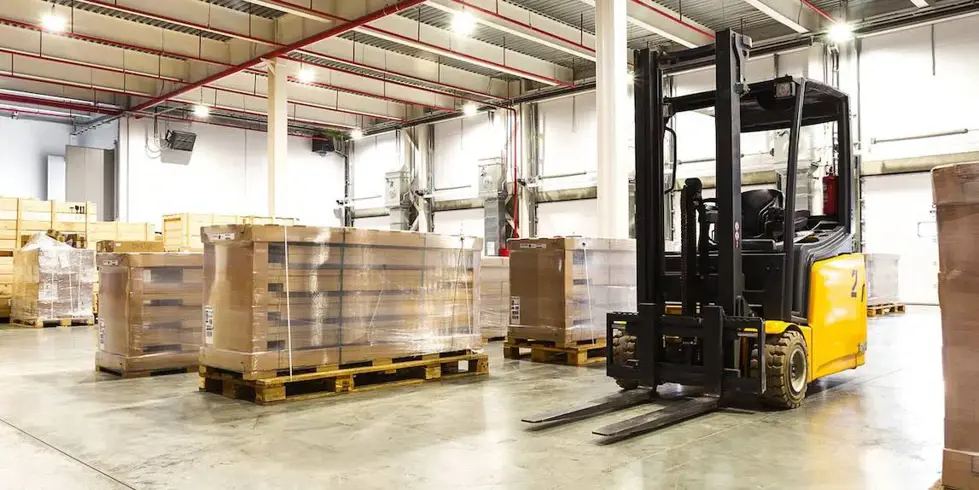
Long lead times often stem from a combination of internal inefficiencies and external supply chain challenges. Common root causes include:
Stockouts
Stockouts are disastrous for manufacturers because it is impossible to produce goods if you don’t have the necessary parts and inventory stock to complete production. This not only leads to longer lead times and dissatisfied customers, but it also causes bottlenecks and lost time that costs the business money. At worst, it can lead to lost sales and lost customers if they choose to go elsewhere for their inventory stock.
Automating your inventory processes and implementing Just in Time (JIT) inventory control will help to avoid stockouts by managing the procurement and delivery of manufacturing components based on usage.
Lead time variability
Lead times can vary from supplier to supplier, making it hard to predict when all required inventory stock items will be delivered. This, in turn, makes it difficult to coordinate production. An effective way to eliminate this issue is by consolidating your suppliers to ensure everything required for production arrives at the same time. This can reduce shipping costs and make production scheduling much easier.
Shipping delays
Perhaps the most unpredictable and difficult issue to control, factors that affect shipping include shortages of raw material, natural disasters and human error. It is possible, however, to reduce the risk of shipping delays by sourcing suppliers close to your business or by working with a supplier who keeps inventory stock on hand while continually monitoring usage. Additionally, the fewer incoming shipments you have, the lower the risk of order fulfilment delays.
Unnecessary processes
If you are building every component of a finished assembly, it takes longer to complete each order, which lowers output and return on investment. Process optimisation can be achieved by outsourcing subassembly tasks to save on production hours. Products will take less time to complete, reduce lead time and can result in more satisfied customers and greater profitability.
Inefficient inventory control
If your inventory control is out of control, lead times can be adversely affected. Improving inventory control ensures that you know exactly what and exactly how much inventory stock is on hand to guarantee all necessary components are available for manufacturing runs. Efficient inventory control will reduce inventory investment, minimise handling costs and improve production processes.
Actionable Solutions for Lead Time Reduction
Reducing lead times requires a proactive approach that combines process optimisation, technology adoption, and supplier collaboration. Key strategies include:
Automate Inventory Processes
Implement inventory management software to track stock levels in real time and trigger automated reordering when stock levels reach a specified threshold. Automation can be used for updating reports, ensuring all reports are showing real-time data, and allowing for evidence-based decisions to be implemented quickly.
Adopt Just-in-Time Principles
The Just-in-Time (JIT) principle in manufacturing ensures alignment between material orders with production schedules by ensuring materials only arrive when you need them, reducing excess inventory, lead times, financial costs and waste.
The principle was pioneered by Toyota, due to a need to minimise their excess inventory, ensuring each vehicle is built to order and is perfect for the customer the first time, as no alternative components were available. Any pre-existing manufacturing issue couldn’t be hidden and was addressed immediately.
Consolidate Suppliers
Working with fewer, reliable suppliers simplifies logistics and reduces variability. Ensure that your suppliers are in different regions to reduce any supply chain issues. Whether you’re a wholesaler or manufacturer, finding the right suppliers can be difficult. Consider:
- Procurement costs – Find a supplier who’s willing to negotiate costs. This is important if you’re a small business that’s growing.
- Domestic or import? – While importing materials from overseas is likely to be cheaper, there’s a lot of competition. However, small businesses may find it easier to develop relationships with local suppliers as they’re locally based.
- Reliability – Reliable suppliers are vital in reducing issues if something goes wrong. After finding a reliable supplier, test their ability to deliver orders on time and to the right specifications.
Outsource Subassemblies
Delegating non-core tasks to specialised vendors speeds up production. By outsourcing subassemblies, you free up internal resources and reduce the time it takes to complete each order, leading to shorter lead times while improving efficiency and profitability.
Implement Extended Supply Chain Value Stream Mapping (VSM)
Value Stream Mapping (VSM) provides visibility across the entire supply chain. By mapping the flow of materials and information from your suppliers through to your customers, you can identify bottlenecks and non-value-added steps that cause delays.
Tactical Lead Time Reduction Strategies: Implementing VSM, Six Sigma, and Modern Inventory Planning
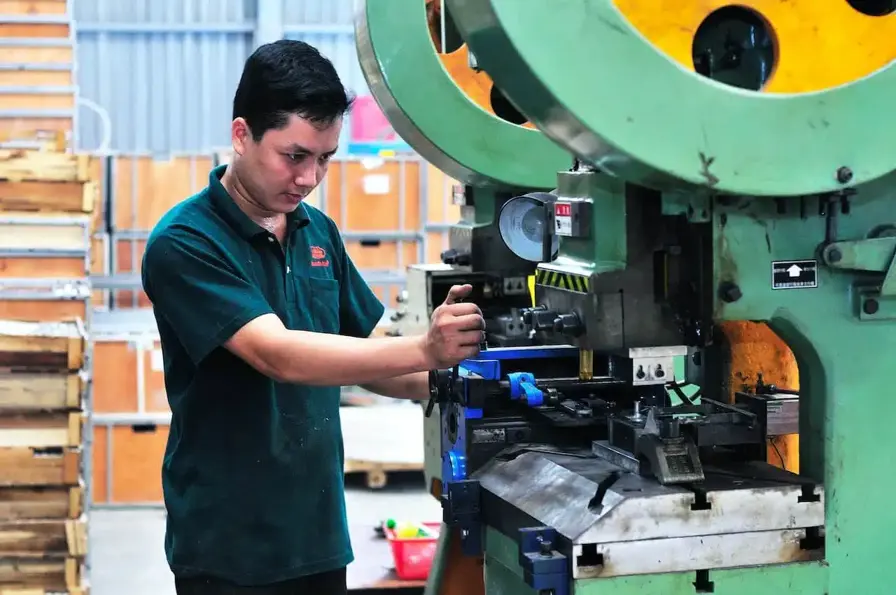
To make a real impact on lead times, manufacturers need to go beyond quick fixes and adopt proven methodologies that tackle inefficiencies head-on. These strategies will help you create a leaner, more responsive supply chain.
Value Stream Mapping (VSM)
Start by mapping out the entire flow of materials and information across your supply chain. A value stream map gives you visibility of every step, from suppliers through production to delivery. By identifying where delays and waste occur, you can design a future state that removes unnecessary steps and speeds up the process. Extending this map to include your suppliers and customers will give you a complete picture and make collaboration easier.
Six Sigma and Lean Manufacturing
Six Sigma’s DMAIC approach - Define, Measure, Analyse, Improve, Control - helps you reduce variability and eliminate defects that slow production. When combined with lean principles, you can streamline workflows and cut out non-value-added activities. For example, reducing machine changeover times or simplifying approval processes can make a big difference to overall lead time.
Modern Inventory Planning with AI and Predictive Analytics
Traditional inventory planning often falls short when demand changes quickly. Modern inventory systems use AI and predictive analytics to forecast demand more accurately and automate replenishment. This means you can keep the right stock on hand without over-investing in inventory, reducing the risk of stockouts and delays. Real-time dashboards also help you monitor inventory health and respond quickly to any issues.
Collaborative Supplier Relationships
Building strong relationships with your suppliers is key to reducing lead times. Sharing real-time data and forecasts helps suppliers plan ahead and prioritise your orders. Consider setting up agreements that guarantee faster turnaround times or using vendor-managed inventory (VMI) to keep critical components available when you need them. The more aligned you are with your suppliers, the smoother your production process will be.
How Can Inventory Management Help Reduce Lead Times?

Effective inventory management is a powerful way to cut lead times while keeping your production running smoothly. Unleashed’s inventory management software gives you real-time visibility of stock levels, automated reordering and accurate demand forecasting, to prevent stockout and avoid delays.
Start your 14-day free trial today!
Frequently Asked Questions
What does a 3-week lead-time mean?
A three-week lead time means it takes 21 days for an order to arrive at the customer from the moment it's placed.
Do lead times include weekends?
Lead times can include weekends. However, they can also be excluded to only include working/business days. This depends on a business’s processes or goals.

Manufacturing-related resources

What is Manufacturing?

How to Improve Productivity and Efficiency in Manufacturing

The Ultimate Guide to Lean Manufacturing, Principles, and Supply Chain Logistics

Manufacturing Productivity Guide

Manufacturing Software Guide

Technologies That Lift Manufacturing Productivity

Key Difference Between B2B & B2C Supply Chain

Manufacturing Methods and Processes

What Is Additive Manufacturing (+ Pros and Cons)

Warehouse Order Picking - Strategies & Tips