


Updated in 2025
Lean manufacturing and Total Quality Management (TQM) first came about through the work of Henry Ford, followed by Toyota in Japan. They set about to decrease ‘Muda’, a term given to everything in a process that is unnecessary, time-wasting and that results in a loss of profitability. Since their pioneering work to implement TQM and lean processing, many companies worldwide have followed suit. However, the general perception is that it is difficult to adopt such techniques in industries where consumables are concerned and products have a much shorter shelf life.
We are here to tell you that even the food and beverage industries can benefit from lean manufacturing. Here’s everything you need to know about lean manufacturing in the food industry.
Table of contents:
Why lean manufacturing matters in the food industry
In Q2 2025, UK food manufacturers experienced a significant sales uplift of £188,000 per SME, yet faced a sharp decline in gross margin percentage, –5.6%, due to rising input and energy costs.
Beverage producers saw flat sales and a 5.1% drop in margins, highlighting the impact of packaging and promotional expenses. At the same time, lead times surged from 15 to 27 days, and purchase orders more than doubled, reflecting supply chain uncertainty and tactical restocking.
These trends highlight the growing need for lean manufacturing in the food industry, a proven strategy to optimise inventory, reduce waste, and protect profitability. By implementing lean principles, manufacturers can respond faster to market shifts, minimise excess stock, and maintain healthier margins in volatile conditions.
The benefits of lean manufacturing
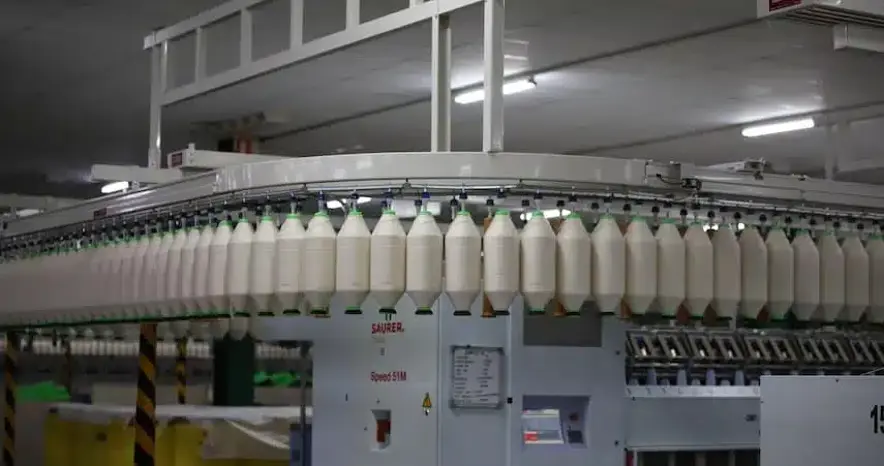
From support from the top down to transport and storage, there are many benefits to conducting lean manufacturing. Here’s what you need to know.
Support from the top down
Lean manufacturing begins by identifying and eliminating Muda – any activity that wastes time, resources, or profitability. Once this has been achieved, the process needs to be supported by all employees, starting with management. Profitability will never be truly attainable if either the company or the staff are not taken into consideration. It is the management’s job to look after the staff, which represents their most valuable resources; and it is the staff’s responsibility to support the management and live and breathe continuous improvement.
Recognise which components are time-sensitive and which components can be altered
Recognising which components of the food or beverage manufacturing processes can be altered and which ones are time-sensitive will help in discovering where to start implementing lean changes. For example, raw ingredients have an expiry date and these cannot be compromised, although a longer shelf life will be valuable to the customer. The way in which ingredients are manipulated to produce the final product could be an opportunity for improvement. This involves the equipment being used, the staffing levels and hours of work, transport, storage, and understanding the customer demand.
Equipment and space
Since much of lean manufacturing is looking at the ‘old’ in a new way and recognising the opportunities for improvement, this applies to the equipment and layout in food production. Muda can often be reduced or eliminated by upgrading equipment or improving factory layout.
Staffing levels and shifts
It is not an element of TQM to simply expect staff to work overtime and compromise themselves to produce more in less time, as this will also compromise the quality of the product. Staffing levels need to be carefully considered if lean manufacturing is to be implemented, particularly in the food industry where the clock is ticking with respect to the shelf life of raw ingredients and optimum manufacturing times. It could also be beneficial to look at sustainable shift durations and structures to ensure staff remain rested and able to work at peak performance and equipment is utilised with as little downtime as possible.
Transport and Storage
Once the food is manufactured, it is important to ensure transport and storage do not let the whole process down. Therefore, as part of lean manufacturing, organised, well-structured and accessible storage areas need to be laid out and reliable and timely transport services identified. As soon as the product is manufactured, the most value is added when the time from manufacture to customer consumption is whittled down to a minimum.
Challenges in the food industry
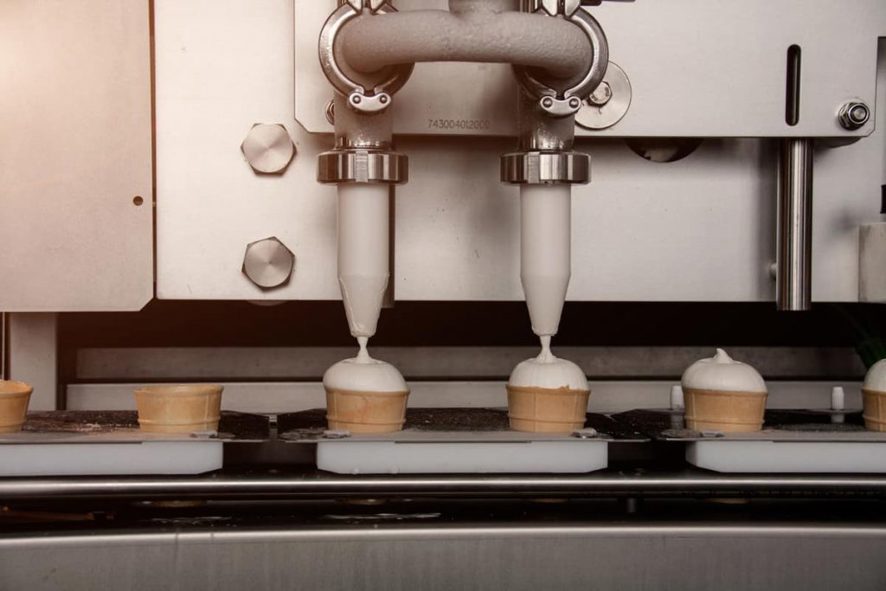
High perishability, complex regulations and variable demand are challenges food manufacturers face regularly. However, lean manufacturing can help reduce these difficulties.
High perishability
Raw ingredients and finished goods often have short shelf lives, leaving little room for error in production scheduling, inventory management, and distribution. Without lean systems in place, delays or overproduction can quickly lead to waste and lost revenue.
Complex regulations
Food and beverage manufacturers must navigate strict compliance requirements around safety, labelling, traceability, and hygiene. These regulations, set by the US Food and Drug Administration (FDA) and the Food Standards Agency (FSA), vary by region and product type, adding layers of complexity that can slow down processes and increase operational risk if not managed efficiently.
Variable demand
Consumer preferences, seasonal trends, and promotional cycles can cause demand to fluctuate rapidly. Without agile forecasting and flexible production planning, manufacturers risk either underproducing and missing sales opportunities or overproducing and facing spoilage or excess stock.
Key principles of lean manufacturing
- Eliminate waste: Remove all non-value-added activities, from physical waste like spoilage and excess packaging to wasted time, motion, and energy across the production line.
- Improve efficiency: Streamline production flows, reduce bottlenecks, and optimise logistics to ensure resources are used effectively and processes run smoothly.
- Enhance quality: Minimise defects and ensure consistent, repeatable quality by standardising procedures and maintaining tight control over inputs and outputs.
- Boost profitability: Lower costs associated with waste, energy usage, and spoilage to protect margins and improve the bottom line, even in volatile market conditions.
- Prioritise safety and hygiene: Embed food safety and hygiene standards into every stage of the lean process, from raw material handling to final packaging and distribution.
- Foster continuous improvement: Create a culture where employees are empowered to identify inefficiencies, suggest improvements, and contribute to ongoing operational excellence.
How Unleashed can help with lean manufacturing
Inventory management systems, such as Unleashed Software, are helpful in supporting lean manufacturing in the food industry. With real-time stock visibility, batch tracking and expiry alerts, manufacturers can reduce waste, avoid spoilage and ensure they’re compliant with strict food safety regulations.
Start your 14-day free trial today and see what Unleashed can do for you.
Frequently Asked Questions
What are the 5 P’s of lean manufacturing?
The 5 P’s represent key areas of focus when implementing lean manufacturing:
- Purpose – Work should create value by aligning to client expectations
- People – Empower staff to identify inefficiencies and contribute to improvements.
- Processes – Streamline workflows to eliminate waste and boost efficiency.
- Performance – Track metrics and outcomes to measure success and guide future changes.
- Platform – Tools and systems used to complete the process.
In the food industry, applying the 5 P’s helps manufacturers stay agile, reduce spoilage, and maintain profitability even in volatile conditions.
What are the 5 S’s of lean manufacturing?
The 5 S’s are a foundational lean tool used to organise the workplace and improve productivity:
- Sort – Remove unnecessary items from the workspace.
- Set in order – Arrange tools and materials for easy access.
- Shine – Clean and maintain the work area regularly.
- Standardise – Create consistent procedures and practices.
- Sustain – Embed these habits into daily operations.
For food and beverage manufacturers, the 5 S’s support hygiene, safety, and efficiency, critical factors in maintaining compliance and reducing waste.
Does McDonald’s use lean manufacturing?
Yes, McDonald’s incorporates lean manufacturing principles across its global operations. From standardised kitchen layouts to just-in-time inventory systems, McDonald’s focuses on reducing waste, improving speed, and maintaining consistent quality. These lean strategies help the company deliver fast, reliable service while keeping costs under control, an approach that food manufacturers of all sizes can learn from.
