


Health consciousness is taking over all spirits industry trends
Beyond everything else, there’s an increased focus on health, wellness, and balance impacting the low- and no-alcohol (NoLo) drinks category in a big way. People now look for more moderation, whilst still being able to stay sociable.
This change is part of a larger movement in our broader culture towards overall wellness and conscious consumption that resonates in particular with newer generations. They're the ones who continue to chart our drinking culture’s future with movements such as ‘sober curious’ and ‘mindful drinking.’
The sober curious movement, for instance, is largely being driven by the Millennial generation, who are turning to the likes of mocktails and kombucha as they socialise ‘over a drink’ but without the negative side effects.
This marks a clear shift toward clean living, sustainability, and transparency, with consumers now caring more about what they’re drinking, how it’s made, and its impact on the environment.
New priorities bring new types of drinks
This new age also features the explosion of ready-to-drink (RTD) products. These are a quick, convenient, and flavour-forward option that resonates especially well with younger, health-conscious imbibers.
Artisanal, authentic, and sustainable offerings drive continued growth among craft distillers, and premium and super-premium categories appeal to those who don’t mind paying for a high-quality product and experience over a large quantity.
Alongside the growth of the NoLo industry, there's also a resurgence in classic spirits. This increased interest in easy-to-mix, identifiable flavours of the classics can in part be attributed to consumers educating themselves and creating mixers while in lockdown.The trend also reflects a certain comfort in familiarity at an unstable time.
There's also been an uptick in cannabis-infused beverages as an alternative to those with alcohol content. Cannabis is becoming increasingly mainstream and its introduction is a natural evolution from its appearances in other culinary products. Major brands like Heineken-owned Lagunitas and Pabst have introduced cannabis-infused drinks in recent years.
As part of the trend toward healthier options, we're experiencing a shift toward low-sugar spirits and beverages in general. These include popular options such as gin, tequila, and rum.
The increased interest in complex flavours, alongside the broader awareness of sustainability, is helping drive the market for craft distilleries.
The global craft spirits market is estimated to expand by more than 11% over the next five years. Once again, the demand comes from younger generations who are more concerned with what they’re drinking.
Logistical and supply chain issues are still around
Beyond these wine and spirits industry trends, the alcohol industry has been hugely disrupted by logistical and supply chain issues. In the UK, there's been a squeeze on transport and a shortage of glass bottles, meaning manufacturers have had to search for other options to package and deliver their products around the globe.
All this, in turn, creates even more risks around auditing, health and safety, and reliability. Hiccups in any of these areas can cause massive brand damage and upend a business.
Wineries are dealing with a record number of oversupply of inventory

The challenges facing the wine industry are huge and show why effective winery inventory management solutions are a must. Recent industry reports indicate that many wineries are stuck with excess inventory due to depressed demand and changing consumer patterns. This excess of supply also incurs higher storage costs, price discounting pressures and risks to brand value.
After all that, it's also a real headache to manage wine inventory and storage as you need loads of detailed tracking to make sure all your goods move, and remain of the highest quality.
Unleashed tackles these issues by providing real-time stock level tracking, batch/serial number traceability, ordering automation, and variable bill of materials to cater for the complexities of winemaking.
This solution lets wineries optimise production planning, reduce waste, automate replenishment, and know exactly how profitable they are.
And with features such as the native B2B eCommerce platform, wineries can sell directly to customers with multi-currency support around the world, growing their distribution.
Premiumisation and super-premiumisation are the cool guys now
There’s been a notable rise in the popularity of premium and super-premium products. This trend runs alongside the lift in wellbeing products, as consumers seek better quality goods.
The worldwide premium and luxury spirits market continues to show strong expansion with overall value exceeding $215 billion in 2023 and expected to rise almost twice by 2030 (CAGR 9.7%). There's a growing consumer appetite for quality, authenticity and craftsmanship, with a willingness to pay more for specially produced and regionally sourced products they can trust.
There’s also the increasingly popular trend of experiential drinking (like speciality cocktail menus to luxury tastings), which continues to drive the appeal of premium and super-premium tiers.
Packaging is redefining responsibility
Sustainability in alcohol packaging is now much more than an issue of the materials used. Some of these trailblazers include the Baileys record-breaking dry-moulded fibre bottle and Johnnie Walker’s incredibly light whisky bottle. Both deliver a greener future and lower emissions and waste with the same shelf-esteem and visibility.
In the UK, regulatory developments are further narrowing the landscape, affecting packaging strategies beyond materials. The upcoming “mandatory” health-warning labels for alcohol signal a more educated, health-minded consumer who appreciates brands that are clear about the risks.
And technology is adding yet another layer. Strongbow has just become the first major UK drinks brand to launch NaviLens technology on its packaging. This digital label system will improve accessibility for people with vision disabilities who'll be able to immediately access product and promotional information through their smartphones.
Hyper-local and terroir-focused production and marketing are here
Everything is now tied to a region. As the gap between consumers’ desire for authenticity and sustainability grows, there are more and more calls for products that truly give a nod to native ingredients, celebrate different regional flavours, and focus on small-batch production.
This is mostly obvious in the spirits and craft-beverage space.
Here, brands have featured “farm-to-glass” or “vineyard-to-bottle” campaigns as they work to link autonomy with the source and tales behind drinks.
Bars, restaurants, and brands are also using more hyper-seasonal menus. These changes to correspond to the time of year when ingredients are most abundant locally, thus making drinks even more terroir-driven, as well as environmentally conscious.
This local focus makes delivery as sustainable as possible by minimising carbon footprints and transportation, while also supporting brand differentiation in competitive markets.
For example, bars like Ugly Butterfly in Cornwall create cocktails using locally foraged botanicals and work closely with regional producers.
There's even more reliance on technology to ensure better management and compliance
With scaling alcohol brands to a broader range of product offerings, the range of complex inventory management parameters around ingredients, keg control, barrel tracking, batch production and sales through all channels becomes a factor you must consider.
Unleashed's features bring you live inventory visibility, batch and serial number tracking, and automated prompts for when to reorder to avoid stockouts and minimise waste.
With the dynamic BOM feature, brewers can cost and control recipes precisely, fostering innovation and consistent quality. Its compatibility with top accounting, eCommerce, and POS solutions make it easy to streamline workflow all around.
Brands expect artificial intelligence to play a growing role in compliance and regulatory monitoring. This could help brands navigate complex alcohol laws while expanding market reach through digital platforms.
Unleashed’s Advanced Inventory Manager (AIM) uses AI-enhanced demand forecasting and planning to enable breweries to take into account seasonal peaks and product launches.
Drinks are taking over eCommerce
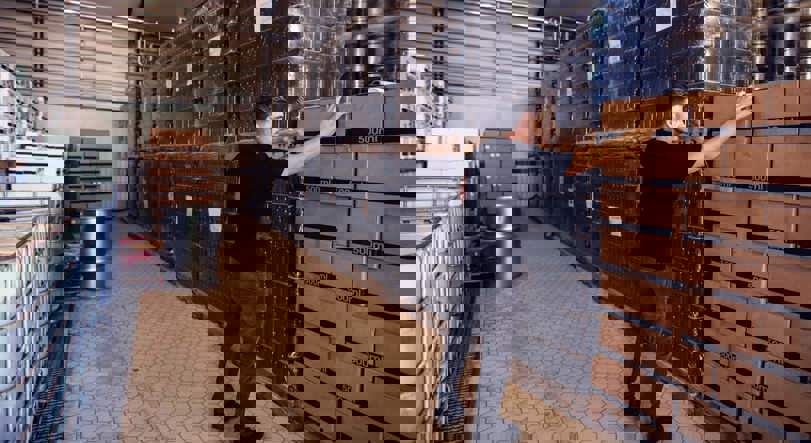
In the UK, major retailers Tesco, ASDA, and Ocado are market leaders in selling alcohol online.
Amid regulatory and logistical barriers, including age verification and restricted delivery windows, the industry is proving to be very strong and innovative. Subscription services, personalised recommendations, and contactless deliveries are all promoting connectivity with consumers.
And with British consumers becoming increasingly health-conscious, they're also seeking up-to-the-minute convenience and personalisation, eCommerce is an urgent priority for alcohol brand growth and sector realignment.
More alcohol manufacturers now sell directly to consumers, but this can be a complex process. That's because compliance requires an appropriate license and adherence to particular taxation requirements that depend on different jurisdictions. Each of the latter comes with different requirements.
What lies in the future?
Alcohol industry trends will continue to evolve. So should your business.
Creativity and technology have never worked as closely as you're now expected to implement both.
Brands are challenged to meet consumer trends requiring healthier drinking occasions with low- or no-alcohol futures, while also delivering a premium, authentic experience that justifies a higher price point. The explosion of new ready-to-drink and cannabis-infused options also adds to the competition.
From ingredient sourcing to bottle shortages, distillers are facing ongoing supply chain challenges that require agile and data-driven inventory and production management. This complexity is further increased by alcohol-specific regulatory demands, such as the necessity to track and accurately report compliance.
In this scenario, taking on more modern systems changes the game.
Try out Unleashed to get a hand of fundamental features like:
- Real-time batch tracking
- Automatic reorder alerts
- AI-enhanced demand forecasting
- APIs for accounting, CRM, and eCommerce
- And more!
