


Everything is changing. The way we eat, technology, people’s expectations — the knock-on effect of this is revolutionising much of the food industry, from the ingredients we buy to the food manufacturing software we use.
So, what are the food processing trends to watch out for in 2026?
Summary
In the last few years, companies have been focusing on recovery and rebuilding, whether that’s due to the long-term effects following the COVID-19 pandemic or continuous supply chain disruptions.
Consumers are increasingly taking control of the food that they desire, leaving manufacturers with little option but to bow to the new demand. This, coupled with the need for technological innovation, will likely lead to 2026 being a year of upgrades, and research and development.
Table of Contents:
- AI and automation
- Increased operational costs
- Shrinkage
- Sustainability and upcycling
- Plant-based foods
- Healthy food, healthy body
- Smart Packaging and cold chain innovation
- Continued supply chain disruption
- Brand transparency and clean labels
- Pet food: going direct to consumers
- Greater investments in food manufacturing software
- Frequently asked questions
8 Global Food Processing Industry Trends
AI and automation
The food manufacturing industry is undergoing a digital revolution. In 2026, AI-powered automation is no longer a futuristic concept, it’s a competitive necessity. From predictive maintenance to real-time quality control, smart technologies are helping manufacturers reduce downtime, improve consistency, and cut costs.
Facilities that have embraced AI and robotics report up to 45% improvements in Overall Equipment Effectiveness (OEE) and 80% reductions in quality defects. These systems can detect anomalies in production, adjust parameters automatically, and even forecast equipment failures before they happen. The result? Fewer recalls, better compliance, and happier customers.
This trend is reshaping how food is made, packaged, and distributed, making it one of the most transformative food manufacturing industry trends of the decade.
Increased operational costs
Even in 2026, we’ll still be seeing the lasting economic damage from the COVID-19 pandemic. According to Food Manufacture, food manufacturing costs are expected to rise by 4.8% in 2026.
According to the IDC Global Food and Beverage Industry Trends 2022 Report, higher operating costs caused by inflation are predicted to have the greatest impact on the food processing industry over the next five years. Shortages of raw materials are also a contributing factor in the rising operational costs of food processing.
This has led to higher retail food and beverage prices for consumers.
Food manufacturers must remain aware of how pricing can affect their brand reputation. A fine line must be walked to remain profitable without upsetting loyal customers. A focus on brand transparency is extra important as we roll into 2026.
Shrinkage
“Shrinkflation” has been a topic on people’s minds since the COVID-19 pandemic. While products are getting smaller, you’re paying the same. However, this trend is now a prolonged reality.
According to Folio3, food manufacturers are losing $1.4 trillion annually to inventory shrinkage. As manufacturers continue to grapple with rising ingredient and packaging costs, shrinkflation has become a common tactic to preserve margins without visibly increasing prices. However, this strategy comes with risks.
Consumers are becoming more aware and more vocal about perceived value. Transparency and trust are now critical. Brands must carefully balance cost-saving measures with customer loyalty, especially as we move into a potentially volatile 2026.
Sustainability and upcycling
Sustainability will continue to dominate the conversation in 2026, but the focus has shifted from broad goals to actionable innovations, including upcycling – the process of turning food waste into valuable products.
Manufacturers – such as Kelpi, Lwanda Biotech and BIO-LUTIONS - are now converting byproducts like fruit peels, pulp, and whey into protein powders, broths, and even packaging materials. This not only reduces landfill waste but also creates new revenue streams. With consumers increasingly choosing brands that align with their values, upcycling is becoming a cornerstone of new trends in food processing.
Eco-friendly packaging, energy-efficient equipment, and carbon-neutral operations are also gaining traction, driven by both consumer demand and regulatory pressure.
Plant based foods
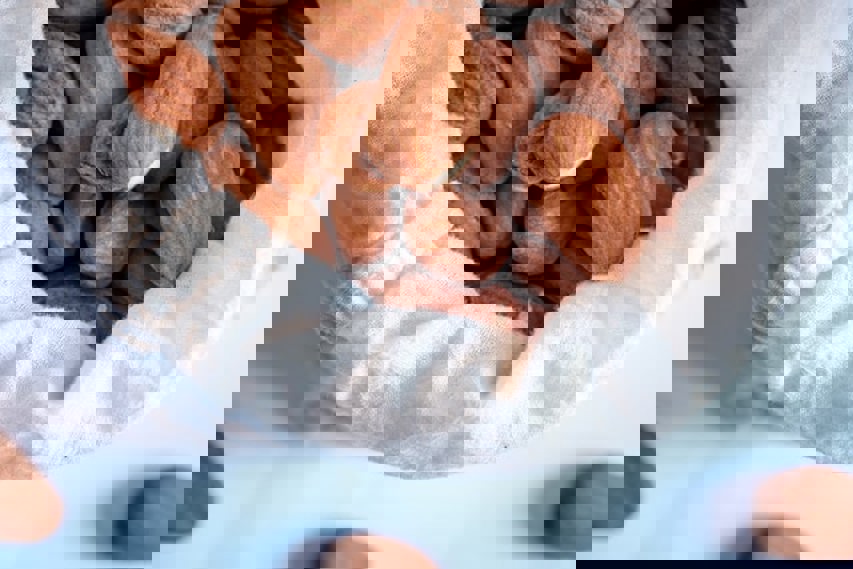
Plant-based products are increasingly all the rage, taking over supermarket shelves and freezers around the globe. Indeed, the global plant-based meat market is expected to be worth $24.77 billion by 2030.
These substitutes were once the domain of vegans, but vegetarians, flexitarians and general omnivores now make up a large portion of potential customers and are driving growth in the market. People think these options are healthier, and as we’ll explore further in this article, health is another major concern of the modern consumer.
Of course, sustainability is also a key factor. Consumers are regularly bombarded with stories of animal abuse in the agriculture sector and worry about the long-term sustainability of meat-based food products over plant-based alternatives. This has spurred serious short-term growth in the sector: according to Nielsen data (gathered by FoodDive), meat alternative sales were up 129% during the pandemic.
No matter where this growth goes in future, it’s clear that 2026 will be another strong year for plant-based food manufacturers.
Healthy food, healthy body
Health foods have been a craze for a long time. But with the rise of GLP-1 medications, diet-focused lifestyles and personalised nutrition, customers are now looking for foods tailored to their unique needs. Food processors are responding with functional foods provided with probiotics, adaptogens, and nootropics. These products offer targeted benefits and are often backed by scientific research, making them highly appealing to health-conscious buyers.
This trend is reshaping product development and marketing strategies, and it’s expected to grow significantly in the coming years.

Smart packaging and cold chain innovation
Maintaining freshness and safety across global supply chains is a growing challenge. In response, manufacturers are adopting smart packaging and IoT-enabled cold chain technologies.
These systems monitor temperature, humidity, and spoilage in real time, ensuring products arrive in optimal condition. Predictive analytics also helps optimise inventory and logistics, reducing waste and improving efficiency.
This is especially critical for perishable goods, where even minor delays can lead to significant losses. As supply chains become more complex, smart packaging is emerging as a key food manufacturing industry trend.
Continued supply chain disruptions
Food supply chain disruptions are still happening in 2025 due to a range of different factors. From geopolitical instability to extreme weather events, food and beverage manufacturers should expect supply chain disruptions for the foreseeable future.
According to Xeneta, “76% of European shippers saw supply chain disruption throughout 2024.” Around a quarter of those shippers reported 20+ disruptive incidents.
Flexibility and visibility of food supply chains will be critical as these businesses attempt to balance customer expectations and profitability. Companies in the food processing sector should double down on their supply chain planning processes in 2026. This will provide the best shot at mitigating supply chain risks and optimising overall order fulfilment efficiency.
Brand transparency and clean labels
Brand transparency is now a must. Consumers expect to know exactly what’s in their food, where it came from, and how it was made. This has led to the rise of radical transparency, with brands using QR codes to link to sourcing data, third-party testing, and production methods.
Clean-label products, those with minimal additives and recognisable ingredients, are dominating shelves. This shift is driven by both health-conscious consumers and tightening regulations, such as the FDA’s ban on Red No. 3 dye.
For food manufacturers, embracing transparency builds trust and loyalty, while helping navigate increasingly complex compliance landscapes.
Pet food: Going direct to consumers
For pet food manufacturers in particular, the direct-to-consumer (DTC) trend that has taken the rest of the food sector by storm has not left pet food untouched.
“[One of the top trends] is a continued push towards everything being digital in the pet food environment,” Jared Koerten, Euromonitor International’s head of pet care research, told Pet Food Industry magazine.
This trend gained momentum in 2020, during the COVID-19 pandemic, when consumers turned to online retailers for convenience and safety. While the increase in online shopping was driven by necessity, the preference to shop online has proven to be long-lasting.
“While it’s possible that some consumers may swing back to purchasing their pet’s food in stores,” agreed Melissa Hartley, senior market manager at FONA International, “many will continue to embrace the convenience and benefits of having food delivered to their front door.”
As a result, pet food brands will have to do more to attract online sales.

Greater investments in food manufacturing software
Costs of ingredients are high enough without getting higher due to changes in consumer behaviour and supply chain restrictions. One way many food manufacturers are helping to mitigate, or at least manage, those costs is with advanced food manufacturing software.
Tools, such as Unleashed inventory management software, are all about gaining visibility and control of your inventory as it enters and exits your warehouse. For example, food inventory management software is designed to accurately track every item as it passes through your business, from purchase to sale. It can monitor the age of stock, where it’s located, custom recipes, how products are selling — any aspect of the business.
This transparency leads to better business intelligence, which in turn can help you make informed, evidence-based business decisions (perhaps a particular product is selling poorly, or certain raw ingredients are growing more difficult to acquire). Business intelligence is critical to success in the modern era. Visibility and real-time monitoring help an organisation accurately control its costs, giving it the breathing room to make adjustments based on emerging trends.
All of the above is available with Unleashed, giving you full visibility of all aspects of your inventory. Explore how Unleashed helps food processors stay ahead – start your 14-day free trial today.
How inventory management software has helped La Tortilleria
La Tortilleria, an authentic Mexican restaurant in Australia, were previously using spreadsheets to keep an eye on their inventory. As their business grew, they required an inventory management system that automated their processes. As a result, they chose Unleashed.
"We’re running Unleashed as a core system of our business. It goes all the way from order management, inventory management, manufacturing to dispatching of our products. For a manufacturing company, we’re using Unleashed for everything that is key to our business."
– Gerardo Lopez, Co-founder La Tortilleria
FAQs
What are the current trends in the food industry?
In 2026, the food industry will be shaped by AI automation, sustainability, and health-focused innovation. Plant-based products are increasing in popularity, smart packaging is improving supply chains, and consumers are demanding transparency and clean labels.
What is the future of food processing?
Food processing is heading towards smarter, greener, and more personalised solutions. AI is streamlining operations, upcycling is reducing waste, and functional foods are meeting individual health needs. The future is about innovation that balances efficiency, sustainability, and consumer expectations.
What are the trends in food processing equipment?
Equipment is evolving fast, with AI and robotics improving efficiency and reducing defects. Energy-saving systems and machines designed for upcycling are gaining traction. IoT-enabled tools are also helping monitor freshness and safety across supply chains, making tech-driven equipment a must-have.
What are the recent developments in food processing?
Recent developments include AI-powered automation, upcycled ingredients, and smart packaging. Functional foods are on the rise, and clean-label products are reshaping how food is made and marketed. Advanced software is also helping manufacturers stay agile and informed in a changing market.
What is the next big thing in the food industry?
Personalised nutrition powered by AI is set to be the next big thing. Consumers want food tailored to their health goals, and tech is making that possible. Combined with sustainability and transparency, this trend is redefining how food is developed and delivered.
What are the new techniques for food processing?
New techniques include AI-driven automation, upcycling food waste, and smart cold chain systems. Functional food processing is also advancing, with methods that preserve health-boosting ingredients. These innovations are helping manufacturers meet modern demands efficiently.
What are the pros and cons of food processing?
Food processing offers longer shelf life, safety, and scalability. But it can also lead to over-processing and reduced nutritional value. Thankfully, clean-label trends and smarter technologies are helping balance the benefits with consumer concerns.
How is AI changing the food industry?
AI is transforming food manufacturing by automating production, predicting equipment issues, and improving quality control. It’s also enabling personalised nutrition and smarter logistics. Overall, AI is making food production faster, safer, and more responsive to consumer needs.
