

There are plenty of new trending beer styles
We're no longer just talking about the IPL. The beer scene is a hotbed of innovation, with brewers fighting to stand out from the crowd. Here are the top trending beer styles:
'Champagne-yeast' lagers like Urbanaut's Hacienda Disco Beer are trending.
Berliner Weisse
Berliner Weisses are cloudy, sour beers with a distinctive lactic acid flavour. They’ve been around since the 16th Century, but their distinctive style is only just being rediscovered by craft connoisseurs.
Craig Willmott, founder of the UK’s HonestBrew is a major fan:
“If you’ve never tried a Berliner Weisse – a traditional sour style from Berlin – the Espiga Peach Berliner Weisse is a great place to start,” he says. "The fruity peach flavours are so well balanced with the acidity from Espiga Brewery.”

IPA sub-styles and “sessionable” pales
Donaldson also believes that IPA is here to stay, only with a couple of modifications.
On this, Michael Donaldson, publisher at the Pursuit of Hoppiness, observes: “The style has been around in its current guise for 15 years (big, hoppy) and it will continue to be popular – but we'll see fracturing and prism-ing of the style with things like Cold IPA, Mountain IPA, Brut IPA, Black, Red and IPAs, etc.

A Belgian Renaissance Downunder
The Belgian growth curve is just getting started Downunder, says Donaldson. If the US is anything to go by, we’ll see more Witbiers, Saisons, Lambics, Tripels, and Dubbels in the southern hemisphere. It's a rich beer culture with plenty to offer. As more people enter the market at this hazy gateway, there's a natural progression to other big-flavoured styles.
Rosé beers are more than a summer fling
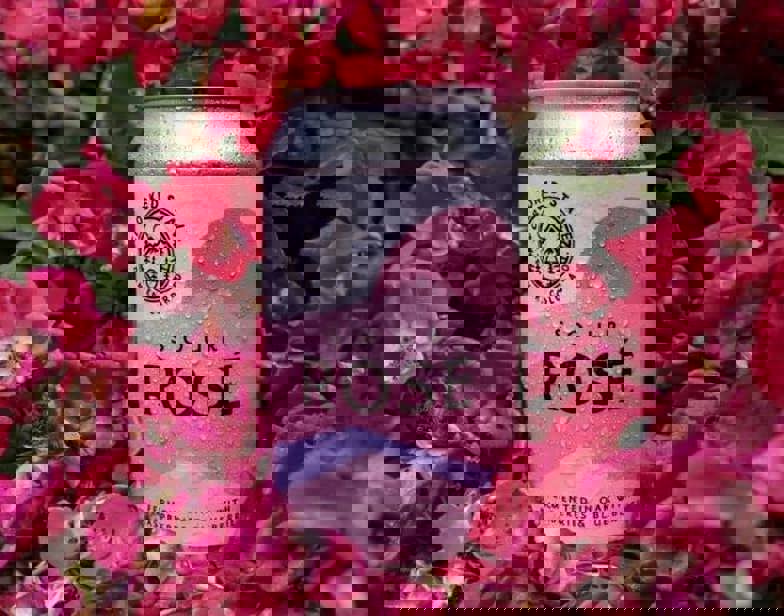
Rosé beers first made an impact as a trending beer around 2020. But rather than being a flash in the pan, they stuck as a fun and attractive summer tipple, with beer site USA Beer Ratings describing them as a summer “beer of choice”.
Ice-cream sours
Straddling the divide between sweet and sour are the divisive ‘ice-cream sours’. They require lots of lactose for creaminess, but fans love the fruit smoothie texture and flavour. Brewers such as Derelict, Deep Creek and Garage Project also dabble in the style.
Peak seltzer
Drinkers are coming back to the taste of beer, and moving away from seltzers, says Donaldson. But the trend has influenced consumers’ tastes, with people increasingly moving to super light beers.
Beer margins are shrinking
Cost pressures from inflation are reaching brewers. They've been taking the hit on behalf of their customers and reducing margins rather than passing costs on.
Specialist beverage accountant Maria Pearman, author of Small Brewery Finance and Distillery Finance, has her eyes on the data every day, and told Unleashed that a brewers’ costs have gone up 15% with sales prices lifting 7%:
"All inputs are costing more - and sales prices are increasing, but clearly not enough to make up for the cost increase."

Labour shortages blunt the benefits of taprooms
Taprooms have traditionally been the highest-margin channel for selling beer. Typical taproom gross margins of 70-80% and net margins can range very high, even up to 69%.
But according to Pearman, this is being eroded by labour shortages, which are making it harder for taprooms to deliver a consistent, high-quality customer experience.
Taprooms are going contactless
Brewers running taprooms have needed to adapt to the new environment by installing contactless payment terminals and QR-code served menus to ensure their customers feel safe and happy.
Tap to Phone contactless payment solutions have seen 200% year-over-year growth, helping many small breweries and taprooms accept NFC contactless payments using just a smartphone.
Compact brewing is now part of more taprooms
Another beer trend hitting taprooms is a move towards ‘compact’ or micro vat setups designed to stack directly behind a taproom’s bar.
Spark has found success with its patented BrewStack, which is installed in over 50 sites across the country, allowing super-efficient brewing and service on site.
Sustainable beer is sticking for good
Hamish Cross of Duration Brewing tells us they’re seeing continued support for locally produced beer and sustainably minded breweries in the UK. That’s a view shared by Hop Nation founder Sam Hambour, who sees locally sourced ingredients as a key beer trend Downunder.
"Typically it was the craft industry against macro lager; we are now seeing macro pricing tactics creep into the craft sector"

The craft beer space is becoming more competitive
The UK craft beer market was valued at approximately USD 4.71 billion in 2024 and is projected to grow to around USD 11.26 billion by 2033. This surge in interest is influenced by changing consumer tastes, demand for artisanal and distinctive flavours, and increasing interest among younger drinkers.
As the craft beer sector matures, pricing strategies are affected by the greater number of independent brewers. That's also when the first signs of price competition between craft breweries appear, says Cross:
“Where typically it was the craft industry against macro lager, we are now seeing macro pricing tactics creep into the craft sector.”
0% beer wasn't just an experiment
One of the buzziest trends in no alcohol beer, says Matt Kirkegaard, the editor of beer industry magazine Brews News:
“There is a huge push for it by beer makers and retailers, and consumers appear curious, but I am not convinced no-alc will deliver on the hype. It has a clear role in the market, but I don't think it will ever grow to be as large a percentage of the market as its boosters hope.”
Back over to Donaldson and he has a rosier view of the so-called NoLo beer trend, seeing it as part of a broader trend toward healthier-seeming lifestyle beers:
“Low-carb beer is already on a high growth path and will continue to do so as people opt for beers with lower residual sugar.”
Read more: The NoLo Alcohol Trends Report and Industry Expert Tips
Social media has replaced beer marketing campaigns for younger consumers
One of the latest big beer marketing trends was the TikTok beer poster challenge, which set records as one of the most cost-effective guerrilla marketing campaigns of all time.
Through user-generated content, some of the big-box beer brands boosted their brand awareness and set the bar for beer marketers everywhere.
- In case you missed it, the Beer Poster Challenge was simple:
- Brands like Corona, Budweiser, and Busch released frames of their logos and products in which you could insert a picture of yourself so that it looked like a poster.
- Attractive young people took photos of themselves in swimwear, added them into the posters, and shared them on TikTok.
- Beer brands got millions of free shares and likes out of this move.
Beer marketing strategies are now more diverse and inclusive
The overall message of projects like Beer Is For Everyone is that the traditional ‘bearded middle-aged white male craft brewer’ doesn’t own the beer space. This has flowed into high-profile campaigns such as Heineken's “Cheers to All” ads.
Heineken's Cheers to All campaign further questioned conventional gender stereotypes of drink preferences. It features humorous situations where someone is given the “wrong” drink based on stereotype, then everyone is encouraged to “drink what they truly like”.
Smaller brands are empowered by digital marketing
Another positive trend for brewers is the way online sales have empowered their craft beer marketing campaigns efforts. Brewers launching their own direct-to-consumer channels have found they can more directly affect their sales through online campaigns.
“Previously, brands had to hope that they could get shelf space at the retailer, says Pearman. “Shelf presence was the introduction to the consumer. Now with ecommerce, brewers can build awareness, create demand, and have a greater chance of selling successfully once their brand hits retail shelves.”
Brands are testing out new ideas with their beer marketing campaigns
Among existing beer marketing campaigns, user-generated content is one of the beer marketing strategies that more brands are trying out. This can include tagging, testimonials, reviews and even hashtags that mention your brand. Acknowledging creators further strengthens their connection to your brand. Social media channels like TikTok are ideal platforms to encourage user-driven content and calls to action.
Strategic incentives motivate loyal customers who are already positively engaged with your brand to share experiences and pass on information. Whether your fanbase has a physical or online presence, you can create positive experiences by:
- Offering loyal customers early access or exclusive invitations to private events
- Providing complimentary drinks or food at your brewpub
- Sharing discounts on online sales or free shipping
Conscious marketing initiatives
We're now experiencing a shift in demand for more environmentally, socially, and ethically sourced products. The growth in the craft beer industry has been a perfect example of consumers seeking out beers produced with quality, local ingredients.
The good news is that consumers are willing to pay more for sustainable beer.
Breweries are also embracing renewable energy sources. Victoria Bitter uses 100% offset solar for its brewing process. Renewable solar energy is a good brand fit for the Sol beer. Plus, there are many other smaller independents, brewpubs, and microbreweries such as Sierra Nevada, Arizona Wilderness Brewing, and the Maine Beer Company adopting solar.
Tap takeovers and collaborations
Tap takeovers often form part of a marketing strategy that enables craft breweries to showcase a larger range of beers by temporarily taking over more taps than the number normally offered by pubs and bars. Takeovers are popular with craft beer enthusiasts and those new to it as it gives them the chance to sample a greater variety of craft flavours and styles.
Another great way to leverage another company’s fanbase is to collaborate with them. BrewDog collaborated with Lord's Cricket Ground as the official beer partner, providing enhanced matchday beer experiences and supporting community initiatives.
Support your marketing efforts with brewery software
Before you start your beer marketing strategy, you need to make sure your brewery is ready to handle more demand. An efficient way to manage brewery inventory is with cloud-based brewery software.
Using the best brewery software will maximise inventory control and optimise production efficiency. The continuous cycle of innovation can improve distribution management, order management, invoicing, and payments.
Effective brewery software will provide brewers with Bill of Materials (BOM) functionality to determine the total costs of a finished brew. Beer recipes are recorded in a BOM. With anticipated yields and additional ingredients added to subsequent BOMs to determine an accurate cost of what it takes to produce your finished beer.
Different beer styles use varying quantities of brewery inventory and separate batches will produce variable yields. Brewery software tracks and accounts for changes in production costs, including recipe adjustments, labour costs, production yields and overheads.
Try Unleashed's brewery inventory management software to protect your profit and avoid budget blowouts.