


This article has been updated in 2025
The hotel industry can sometimes be overlooked when we think of inventory management. In 2023, the US hotel and motel sector reached $231.1 billion, highlighting an important role inventory management can play to maintain profitability and operational efficiency.
While it might not be obvious that hotels need to manage inventory, they are selling products. Their inventory is hotel rooms rented each night.
Inventory management can be difficult for the hotel industry because of the somewhat intangible nature of their product or difficulty associated with tracking it and stocktaking.
In addition to room inventory, hotels also manage large volumes of consumables. UK hotels alone generate around 79,000 tonnes of food waste each year, with a significant portion coming from preparation and spoilage. This underlines the importance of tracking secondary inventory to reduce waste and improve efficiency.
However, do not fall into the trap of thinking that it can simply be forgotten about as this will cost you thousands per year in revenue. Here we consider some ways in which better inventory control can be achieved in hotel environments.
Table of Contents:
What is Hotel Inventory Management?

Inventory management for hotels involves both revenue management (creating and managing demand) and yield management (maximising returns). The investment backing a hotel is tied up in its real estate and the returns can only be gained from renting out that real estate optimally.
Pricing
By driving prices up during high peak periods and knowing how much to discount prices by to ensure rooms are rented during low peak periods, hotels can maximise their return. Through dynamic pricing, businesses can provide discounts and incentives in a controlled way during different seasons.
Distribution
Hotels generally advertise their rooms through multiple channels, such as online travel agencies, to optimise reach and promote sales. Distribution management is essential and this involves calculating the minimum numbers of rooms needing to be sold for any given period by each channel. In doing so, you then have the ability to make informed choices regarding reallocation from cancellations or where to list spare rooms to maximise sales.
Poor inventory control and internal losses can impact profitability.
According to Hotelogix, up to 20% of hotel profits may be affected by stock mismanagement and theft, making robust tracking systems a worthwhile investment.
Market segmentation
Being aware of your market and the variable preferences, demands and affordability of different demographics are paramount to understanding how to price and distribute your room sales across the various channels. Not only does this help in managing your existing rooms, but it can also allow you to capture more of the market and increase sales and revenue. Flexibility is an important virtue required of hoteliers and being able to understand your clientele and adapt to their needs is vital to building loyalty and guaranteeing profitability.
Hotel Inventory Management Tips
1. Integrate Inventory with Your Property Management System
A Property Management System (PMS) acts as the operational backbone of a hotel, streamlining everything from room bookings to housekeeping schedules. By integrating inventory management into your PMS, you gain real-time visibility into room availability, guest preferences, and stock levels for amenities. This not only reduces manual errors but also enables more accurate forecasting and smarter purchasing decisions, ensuring the right stock is available at the right time.
2. Promote Direct Booking Channels to Reduce Online Travel Agencies' Dependency
Online Travel Agencies (OTAs) can be a valuable source of bookings, but they come at a cost, often charging high commission fees. Encouraging direct bookings through your website or loyalty programs helps hotels retain more revenue and maintain better control over inventory allocation. With fewer rooms tied up in third-party platforms, you can respond more flexibly to demand fluctuations and optimise pricing strategies.
3. Apply Yield Management to Maximise Room Revenue
Yield management is a dynamic pricing strategy that adjusts room rates based on demand, seasonality, and booking patterns. By analysing historical data and market trends, hotels can optimise pricing to fill rooms at the most profitable rate. This approach not only boosts revenue but also helps manage inventory more effectively, ensuring rooms are neither overbooked nor left vacant during peak periods.
4. Track Secondary Inventory to Enhance Guest Experience
Beyond rooms, hotels manage a wide range of secondary inventory, from toiletries and linens to minibar items and cleaning supplies. These consumables directly impact guest satisfaction and operational efficiency. Implementing automated tracking systems helps avoid stockouts, reduce waste, and maintain consistent service standards. It also supports better budgeting and supplier negotiations by providing clear usage data.
For example, a 200-room hotel can use up to 300,000 pieces of single-use plastic per month, much of which includes toiletries and guest amenities. Monitoring and managing these items effectively can help reduce environmental impact and operational costs.
5. Optimise Storage and Space Utilisation
Inventory management isn’t just about your stock, it’s also about where and how you store it. Hotels often face space constraints, especially in urban locations. By analysing inventory turnover rates and shelf-life data, you can optimise storage layouts and reduce the footprint of slow-moving items. This leads to leaner operations, lower holding costs, and a more agile supply chain.
What is Restaurant Inventory Management?
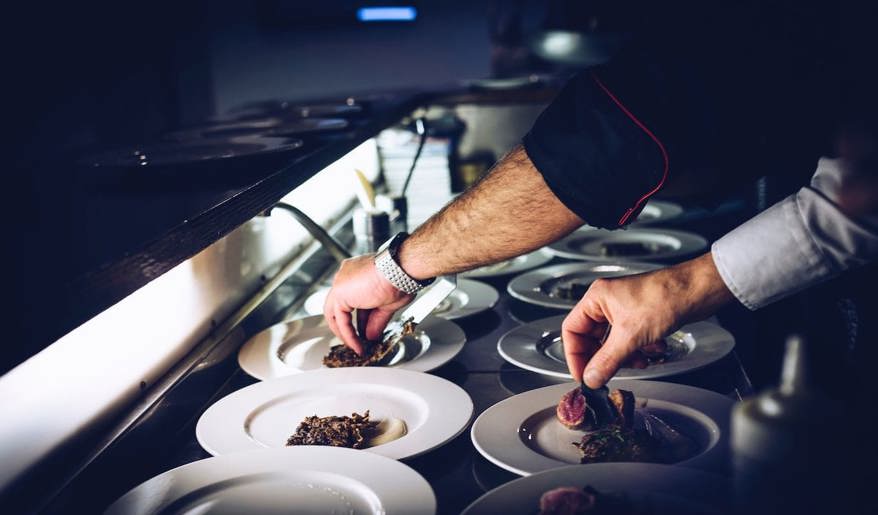
Restaurant inventory management is something hoteliers need to keep in mind if they have the facilities. However, inventory management in a restaurant or bar is exceedingly difficult as stock items might not be single entities of uniform shape and size that can be easily counted. However, this is even more the reason for special attention to be paid to inventory when managing a bar or restaurant. Let us consider some areas of uncontrolled inventory and how to overcome them.
Snacking on the go
For restaurateurs, food can be a significant area of uncontrolled inventory. This applies particularly to staff meals where fruit or other food items are quickly grabbed for consumption on the job. This is indeed generous and will likely go a long way with staff, however over time, this equates to thousands of dollars not accounted for. Simply account for it in inventory otherwise there will always be issues and irreconcilable areas when it comes to stocktaking.
Stagnant ordering systems
A big area for constant improvement is the ordering system which comprises the software and the ordering practices. Keeping orders stagnant over time without basing them on real data of consumer trends is a sure way to increase wastage and decrease the bottom line. A useful rule of thumb is to look at the previous six weeks of sales and use that as a gauge for future orders, making sure that it is consistently adapted for fluctuations. In this article, we have briefly looked at some key components of inventory management for those in hospitality. Of course, as with any industry and the management of inventory, there is invaluable software available to make the task that much easier. Seek out tools that can help as managing inventory is the cornerstone of business success.
Hotel vs Restaurant Inventory Management
While both hotels and restaurants operate within the hospitality sector, their inventory management needs differ significantly. Hotels primarily manage room availability, pricing, and distribution across booking channels, with secondary inventory like guest supplies and food stock.
Restaurants, on the other hand, deal with highly perishable goods, portion control, and recipe-based stock tracking. Hotels rely heavily on PMS and yield management systems, whereas restaurants benefit more from PAR level tracking and real-time inventory software to reduce spoilage and manage food costs.
Despite these differences, both sectors share a common goal: minimising waste and maximising profitability through efficient inventory practices.
Unleashed Inventory Management System
Inventory management in the hotel industry doesn’t need to be complex. With the right tools and processes in place, you can streamline operations, reduce waste, and improve profitability across your property.
Unleashed gives you the visibility and control you need to manage stock efficiently, whether it’s guest amenities, food and beverage supplies, or housekeeping inventory. Our cloud-based solution integrates seamlessly with your existing systems, helping you make smarter decisions backed by real-time data.
UK SMEs maintained a Gross Margin Percentage of 38.4%, despite rising costs and longer lead times. This demonstrates how margin visibility and lean replenishment strategies can help businesses stay profitable even in challenging conditions.
Ready to enhance your hotel inventory management? Start your 14-day free trial and see what Unleashed can do for you.
Frequently Asked Questions
What is inventory management in a hotel?
Hotel inventory management is about optimising room sales and guest supplies to maximise revenue. It includes dynamic pricing, smart distribution across booking channels, and understanding guest demographics to tailor offerings and boost profitability.
How do hotels keep inventory?
Hotels use Property Management Systems (PMS) to track room availability and stock levels for amenities like toiletries and linens. Automated tools help monitor usage, forecast demand, and streamline purchasing, ensuring the right items are available when needed.
What is the main challenge in hotel inventory management?
The biggest challenge is managing a product that can’t be stored - hotel rooms. Once a night passes, unsold rooms represent lost revenue. Balancing demand, pricing, and distribution while tracking secondary inventory makes this a complex but critical task.
What is the housekeeping inventory process?
Housekeeping inventory involves tracking consumables like linens and cleaning supplies. Integrated systems help monitor stock levels, forecast needs based on occupancy, and ensure timely replenishment, supporting smooth operations and consistent guest service.
